Deep Sanitizing & Disinfection in London
What this service actually involves
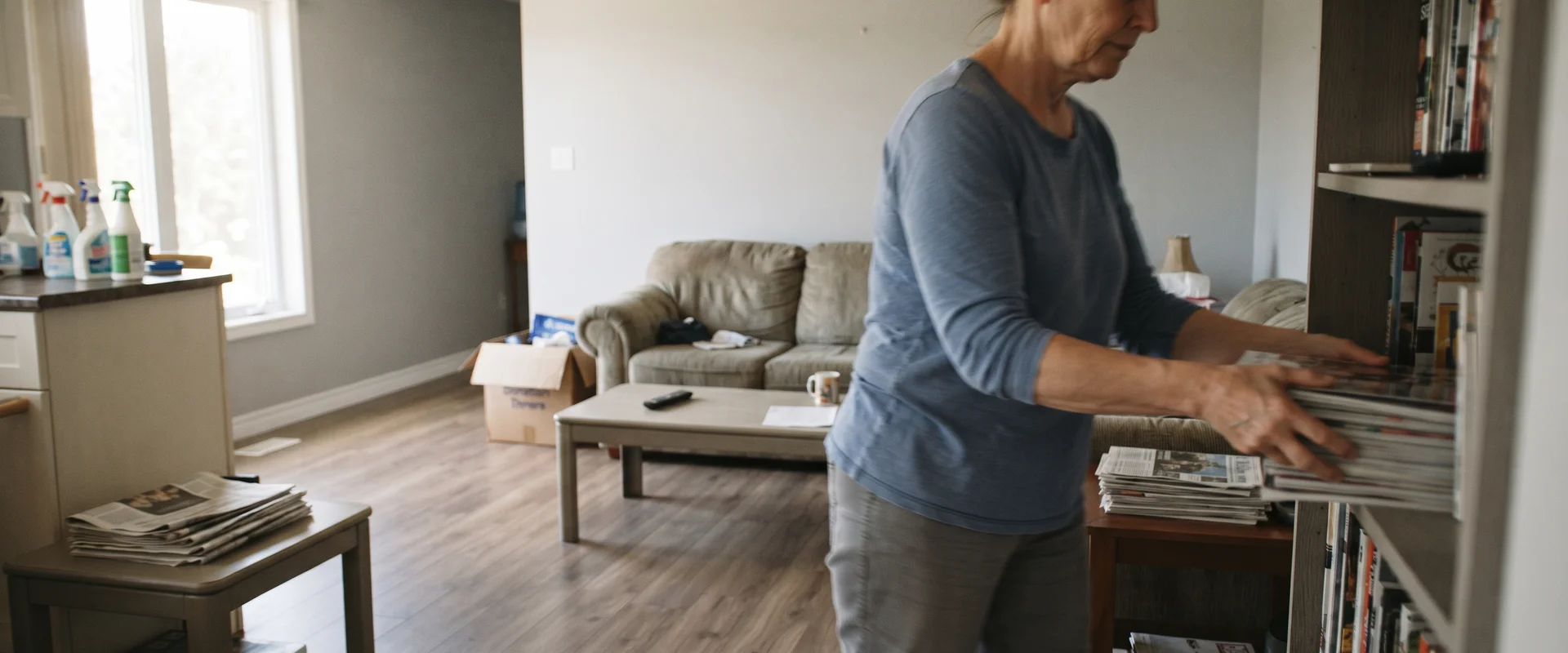
Deep sanitizing and disinfection is the stage that happens after the physical clutter, rubbish, and unsalvageable items have been cleared from a property. Once floors, walls, and surfaces are exposed, a hoarding cleanup crew treats the space for the biological hazards that build up over years: mould, bacteria, rodent and insect droppings, mildew, and in some cases bodily fluids or decomposition residue. Work typically includes fogging or misting with hospital-grade disinfectant, HEPA vacuuming of dust and debris, treating carpets and upholstery that are being kept, wiping down and sanitizing hard surfaces, and addressing odour at its source rather than masking it. Some jobs also call for mould remediation or pest control referrals if the contamination is severe.
What to look for before you hire
Ask what disinfectant products a company uses and whether they're rated for the specific hazard present (biohazard, mould, pest waste). Confirm the crew wears proper PPE and has experience with hoarding-specific conditions, not just general house cleaning. Get clarity on whether odour treatment and any needed mould testing are included or billed separately, and whether they'll provide before-and-after documentation, which matters for landlords, family members, or insurance claims.
How our scoring helps
We've evaluated 5 companies offering this service in London on factors like documented sanitizing process, PPE and safety practices, responsiveness, and how clearly they explain pricing. See the full ranked guide to hoarding cleanup companies for how each one compares, and read our methodology for exactly how we score and verify these businesses.
Connect with deep sanitizing & disinfection in London
Tell us what you need. We'll match you with providers in your area who handle this work. There's no obligation.
All deep sanitizing & disinfection in London, ranked by score and relevance
0 businesses, scored on recent reviews. The order weighs each business's overall score by how much of its reviewed work is deep sanitizing & disinfection, so a lower-scored specialist can rank above a higher-scored generalist.
Your enquiry through our contact forms may be shared with partner providers who can carry out the work, and we may receive a referral fee. Our rankings and scores are based on our independent published method and are not affected by referral fees.
Common questions about deep sanitizing & disinfection
- How much does deep sanitizing and disinfection cost after a hoarding cleanup in London?
- It's usually priced as an add-on to the main cleanout, often based on square footage and severity of contamination rather than a flat fee. Light sanitizing of a single room costs far less than treating a whole property with heavy mould or pest waste. Always ask for a written quote after an in-person or photo assessment, since phone estimates for this stage tend to be rough guesses.
- How often is this level of disinfection actually needed?
- Not every hoarding cleanup requires it. If the property has been affected by dampness, pest activity, animal waste, or has sat cluttered for years, sanitizing is usually necessary. A straightforward clutter removal with no biological contamination may only need standard cleaning.
- What should I expect during the process?
- Expect the crew to clear the area first, then apply disinfectant to walls, floors, and fixtures, treat any remaining soft furnishings, and run air scrubbers or fogging equipment for odour and airborne contaminants. A thorough job usually takes longer than people expect, sometimes a full day or more per room depending on severity.
- How can I judge whether the sanitizing was done well?
- Check for a clear, musty-free smell once it's finished, ask for photos or a walkthrough of treated areas, and confirm what products were used and where. A company that can explain their process step by step and offers a follow-up if odour or mould returns is generally more trustworthy than one that just says the job is done.